Mileage Blocker Cases
Cases of odometer manipulation on BMW cars - flagged by cross-referencing the car's own independent mileage records through its lifetime. Evidence a blocker isn't built to conceal.
How are mileage blockers detected?
A car doesn't keep just one record of its life. Alongside the odometer, cars maintain independent service-related counters that track use in their own right - and on a genuine car, these records broadly track each other over time.
When a mileage blocker is fitted, it suppresses the odometer signal because that's the number a buyer sees - But the car's other records carry on regardless - and when the odometer and the car's own service data tell different stories, reading after reading, year after year, that pattern is measurable. Combined with MOT mileage records and service history, the MDataWorks Vehicle Report flags exactly this kind of discrepancy.
Case Studies
Mileage Blocker Cases
Documented cases where odometer manipulation was flagged through the car's own data - evidence standard vehicle checks don't reveal
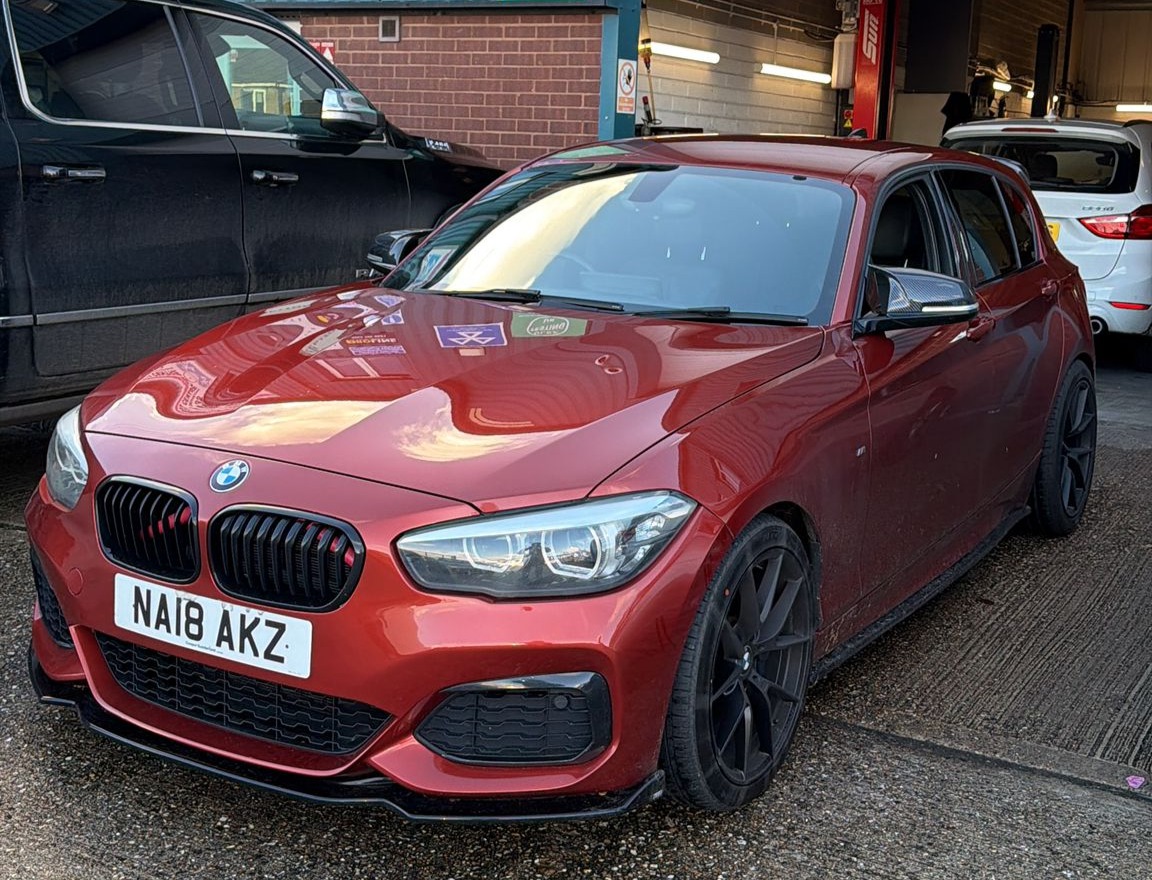
Mileage Blocker Detected on BMW M140i Shadow Edition
A newly purchased M140i showing 23,000 miles. Age-related wear and multiple leaks raised suspicion. The MDataWorks Vehicle Report confirmed a blocker had been active for nearly three years - the true mileage was closer to 60,000.
Read case study
Mileage Blocker Confirmed by BMW on Rare M3 CS
One of just 14 UK Alpine White 3 M3 CS examples. BMW confirmed and removed a mileage blocker before placing the car into a BCA auction. It was subsequently advertised twice at independent garages without disclosure of its history.
Read case studyMileage Confidence
Every MDataWorks Full M Report includes mileage blocker analysis.
Cross-referencing the car's own independently recorded usage data against the odometer
Check a Vehicle